
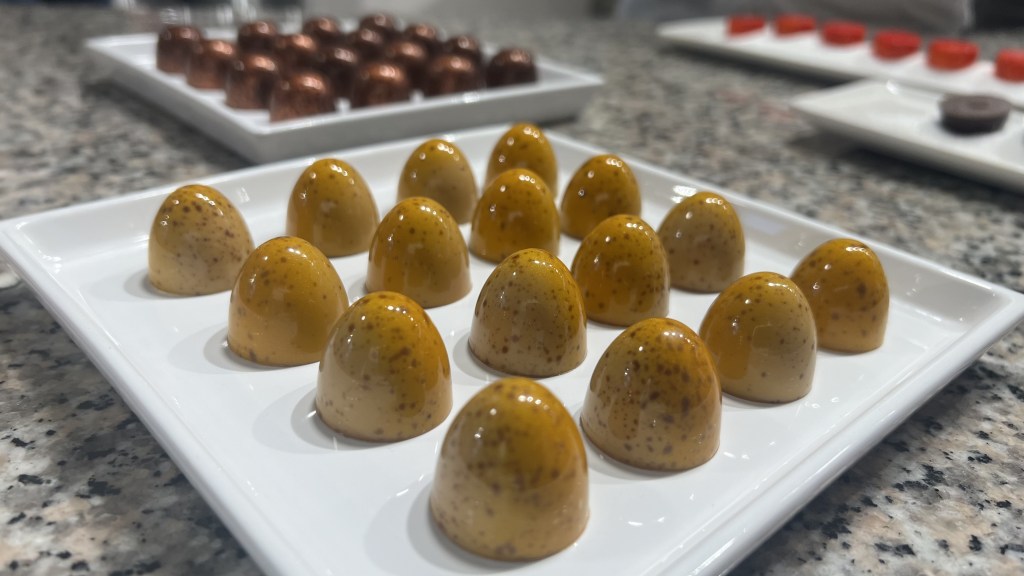
Belgian Chocolates — A Little Piece of Belgium
In Belgium, chocolate is more than a sweet indulgence. It is a gesture of affection, a small celebration, and an essential part of everyday life.
Walk through the elegant shopping galleries of Brussels or the cobbled streets of Bruges, and you will discover windows filled with delicate pralines, glossy chocolate shells, and beautifully arranged boxes.
The story of the Belgian praline begins in Brussels.
In 1857, Jean Neuhaus opened a pharmacy in the Galeries Royales Saint-Hubert, where he began coating medicines in chocolate to disguise their unpleasant taste.
His grandson, Jean Neuhaus Jr., transformed the idea in 1912 by replacing the medicine with delicious fillings. The Belgian praline was born.
Just three years later, Louise Agostini introduced the ballotin, an elegant box designed to protect and present chocolates. It soon became a familiar symbol of Belgian gift-giving.
Unlike the praline traditionally known in some other countries as a caramelized nut confection, the Belgian praline is usually a chocolate with a soft or delicate filling.
The possibilities are wonderfully varied: silky ganaches, roasted hazelnut pralinés, buttery caramel, delicate creams, and rich chocolate centers.
A beautifully made Belgian chocolate is an experience of contrasts. The thin outer shell gives way with a gentle snap, revealing a filling that may be smooth, melting, creamy, or pleasantly textured.
Dark chocolate brings depth and sometimes a touch of bitterness. Milk chocolate offers warmth and sweetness, while white chocolate contributes gentle notes of milk and vanilla.
In Belgium, a box of chocolates is rarely reserved for grand occasions. It may accompany an afternoon visit, serve as a thank-you gift, or simply be shared over coffee.

