
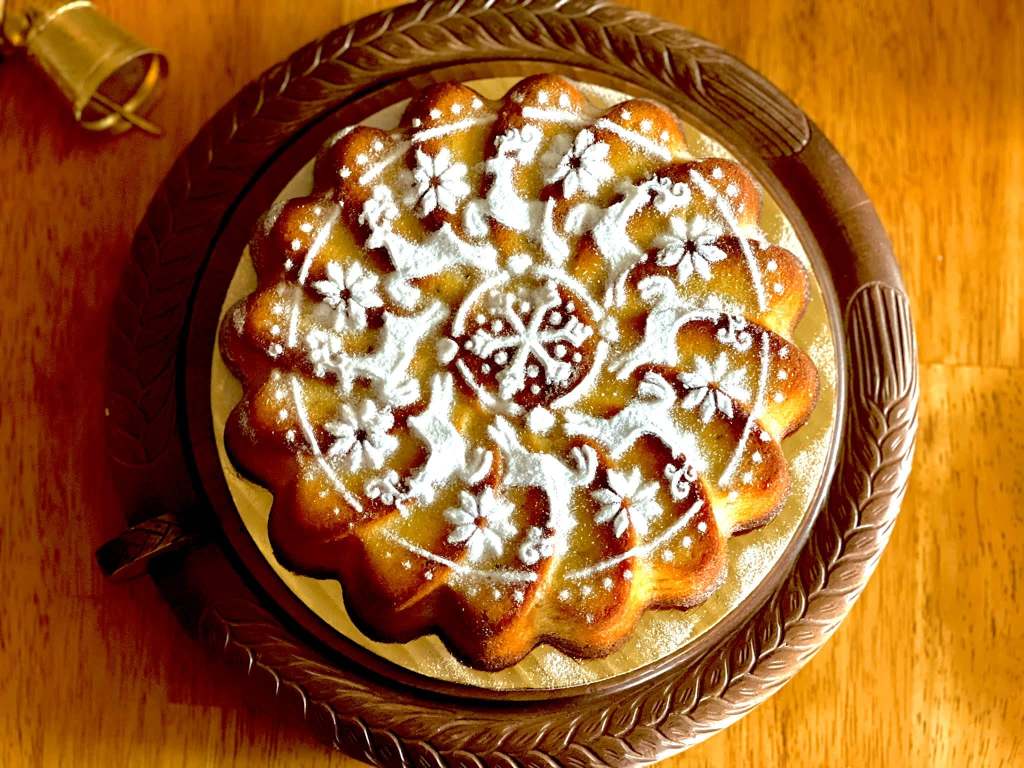
The Aromatic Charm of French Anise Cake
Throughout the Mediterranean, anise and olive oil have been cherished ingredients for centuries. From the sun-drenched countryside of Provence to the coastal regions of southern France, these distinctive flavors have found their way into traditional breads, biscuits, and simple homemade cakes.
Anise, with its unmistakable sweet, licorice-like fragrance, has a long history in European baking. Ancient Greeks and Romans valued the aromatic seeds, and their use gradually became embedded in Mediterranean culinary traditions. In France, anise remains a familiar flavor in regional specialties, often associated with festive baking and traditional confectionery.
Olive oil cakes belong to another enduring Mediterranean tradition. Before butter became the dominant fat in many European pastries, olive oil was widely used in regions where olive trees flourished. Its presence gives cakes a distinctive character, combining richness with a delicate, fruity aroma.
The Gâteau à l’Anis et à l’Huile d’Olive brings these two ingredients together in a wonderfully fragrant cake.
Unlike a traditional butter cake, an olive oil cake has a particularly moist, tender crumb. Its texture is soft and delicate, with a gentle richness that does not feel excessively heavy.
Anise provides the defining flavor: aromatic, slightly sweet, and reminiscent of licorice and fennel. The fruity notes of olive oil complement this fragrance, creating a balanced cake with a distinctly Mediterranean personality.
The flavors often become more harmonious after several hours of resting, making this a cake that can be particularly enjoyable the following day.
Traditionally, simple Mediterranean cakes are enjoyed without elaborate fillings or decorations. A light dusting of sugar is often all they need.
A slice of anise cake pairs beautifully with black tea, espresso, or a gentle herbal infusion. It can be served as an afternoon treat, a simple dessert after a meal, or alongside fresh seasonal fruit.
For those who appreciate traditional French flavors, its delicate anise fragrance also makes it a natural companion to a small glass of pastis, the anise-flavored spirit closely associated with southern France.
Best enjoyed at room temperature, when its crumb is tender and its aromas can be fully appreciated, this cake demonstrates how a handful of familiar Mediterranean ingredients can create something remarkably distinctive.

