
Roscón de Reyes — The Last Sweetness of Christmas
In Spain, Christmas has one final celebration before it bids farewell.
On the evening of January 5th, children anticipate the arrival of Los Reyes Magos, the Three Kings, who traditionally bring gifts during the night. By morning, homes fill with excitement, wrapping paper, and the fragrance of a very particular bread: Roscón de Reyes.
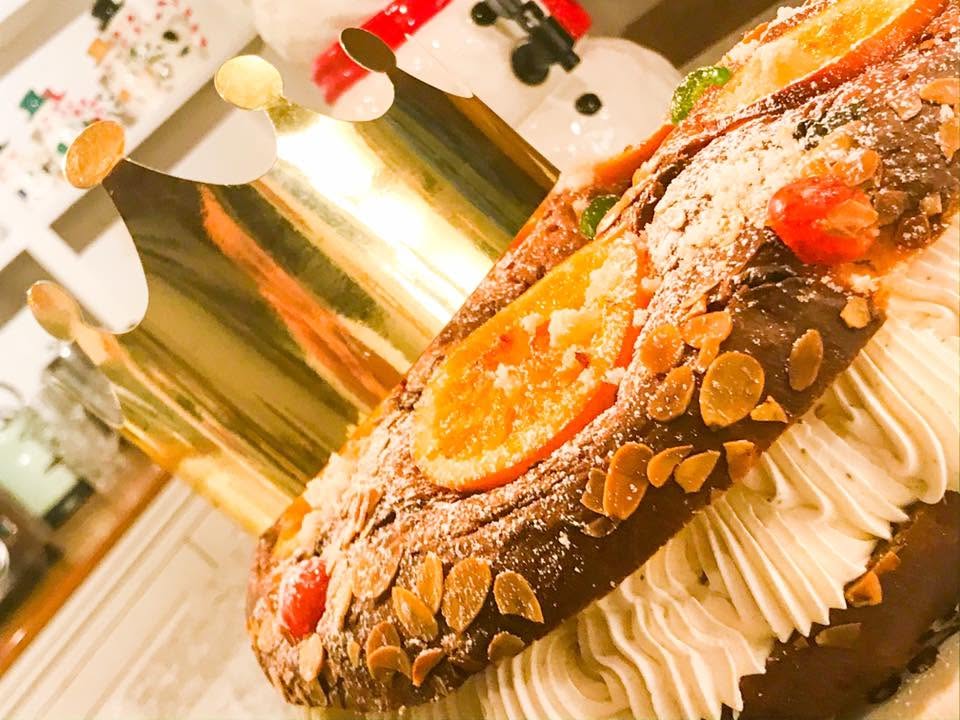
Shaped like a crown, the roscón is a rich, golden, yeast-raised sweet bread decorated with colorful candied fruits, often said to resemble the jewels worn by royalty.
Its precise origins are debated, although historians have linked the tradition of hiding a bean in a festive cake to celebrations dating back to antiquity. Over the centuries, the custom became closely associated with the Feast of the Epiphany and the final days of the Spanish Christmas season.
Inside the roscón are two surprises: a small figurine and a dried bean, or haba. Tradition declares that whoever finds the figurine becomes king or queen, while the unfortunate recipient of the bean must pay for the cake.
But the real pleasure is in the pastry.
Unlike French galette, Roscón de Reyes is soft and tender, closer to a delicate brioche. Its characteristic fragrance comes from citrus zest and orange blossom water, giving it a floral, aromatic sweetness.
Traditionally enjoyed plain, it can also be filled with lightly sweetened whipped cream, pastry cream, or chocolate.
More than a Christmas bread, the roscón is a final gathering around the holiday table, a farewell to the festivities, and a sweet promise that another year of celebrations lies ahead.

